Home
Lighting & ambience: from flat rooms to places people stay
Lighting is the fastest way a room can feel inviting or uncomfortable with all the “right” furniture. This is not a lecture on interior design; it is a set of field-tested heuristics for people who do not want to rewire a rental—yet want rooms that look finished when the sun goes down.

Three layers, one purpose each
Ambient is the field of light that lets you move safely. Task is the narrow pool where you do fine work. Accent is the beam that whispers, “look here.” The failure mode is when ambient tries to be task—then you get glare, cave shadows, and a space that looks like a clinic. The fix is usually more points of light at lower power, not a single brighter bulb.
Kelvin without the cult
Lower numbers feel warmer; higher feel cooler. Most living spaces feel best with a warm or neutral-warm base. Baths and laundry can go cooler for clarity, but you should still be able to look at your skin in the mirror and not feel like a document. Dimmers matter more than slight Kelvin differences—perceived comfort follows contrast control.

Common “cheap room” issues (and the practical cure)
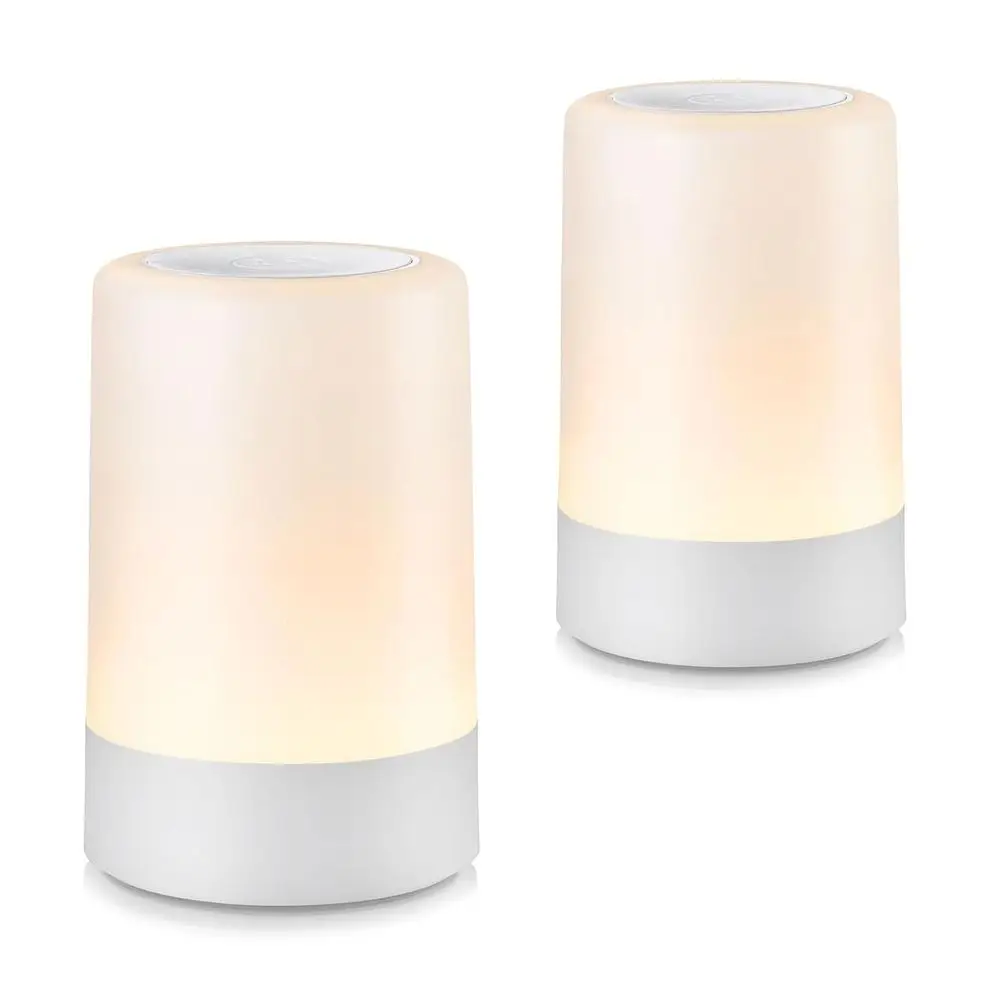
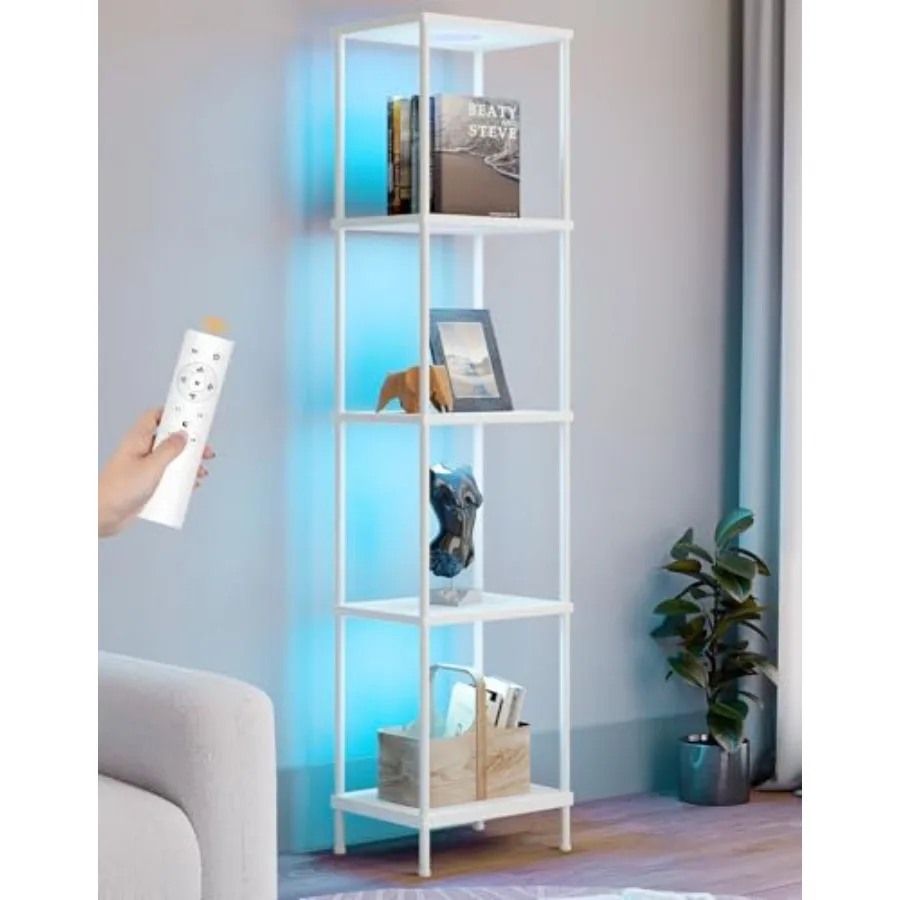
- Top-down only: add mid-height sources—table, floor, picture lights.
- One color everywhere: allow two temperatures if areas have different jobs—just do not mix them in the same line of sight without transition.
- Over-smart, under-used: if you will not set scenes, buy switches you like touching first.
The product suggestions that match this story sit with our lighting and bedroom lines—so you can move from an idea in this guide to a real fixture or bulb when you are ready, without the article going stale the moment a model changes over.