Home
A sleep-sanctuary bedroom: temperature, light, and quiet routine design
A bedroom is not a storage closet that happens to have a bed. The sleep-forward room treats temperature, light, and sound as a single system, with textiles and layout doing most of the heavy lifting before you consider bigger renovation bets.

Design for the first and last minutes of the day
What you do in the first minute after you wake—light, water, air—tells your nervous system a story. What you do in the last minute before sleep—screen, book, worry—does the same. Make the last mile to bed visually calm: a single warm lamp, a chair that is allowed to hold tomorrow’s clothes without moral judgment, a surface that is not a desk unless you need it to be. If the room is only beautiful at noon, it is not a sleep room yet.
Light that respects melatonin and mood
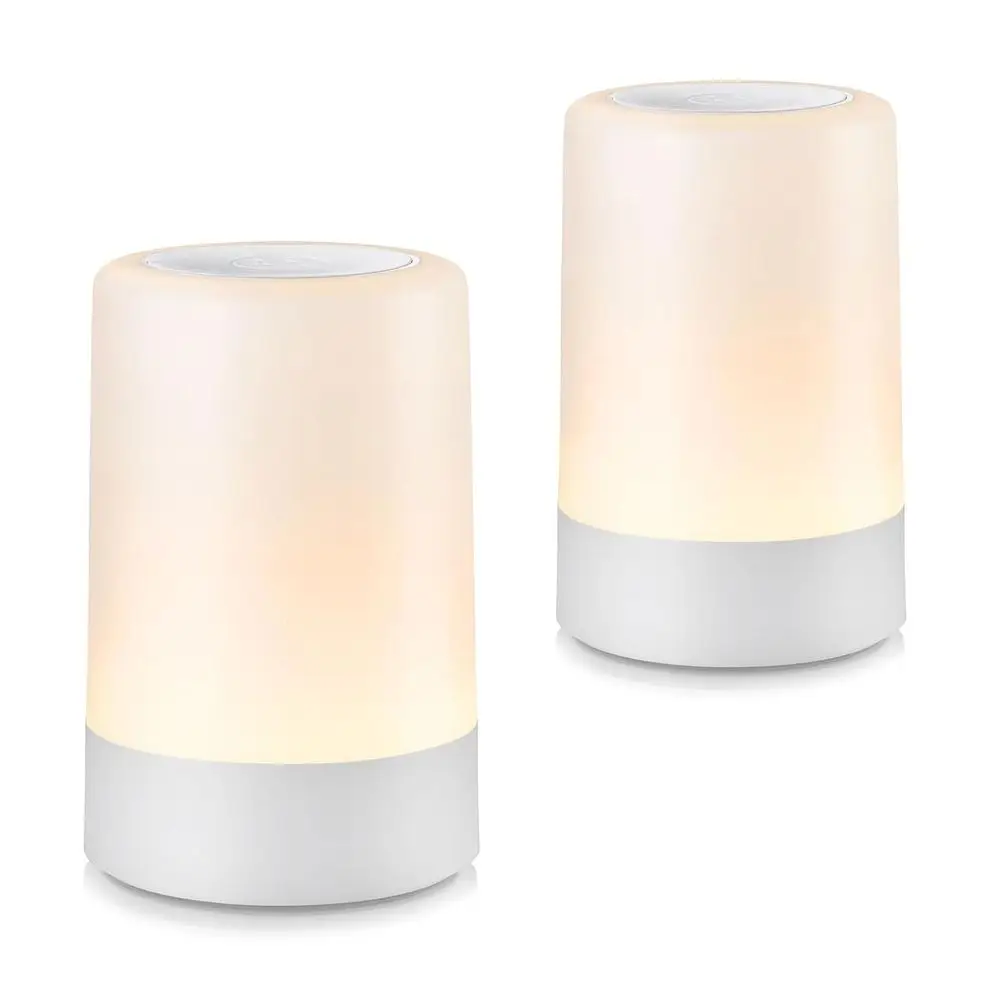
Keep overhead bright light off the “wind-down” path. A sconce, a small lamp, or a soft floor wash can define evening. In the morning, you want a gentle ramp—sheer plus blackout, or a layered window treatment you will actually open every day.
Textile stacking that feels hotel-grade, not hotel-noisy
Think in layers: breathable base, thermal mid if your climate needs it, and a throw that is easy to kick off. The goal is to avoid the 3 a.m. “too hot, too cold” whiplash. If your partner and you disagree, split the system—two light layers on one side is cheaper than a fight that lasts a decade. The linen and sleep picks with this story are selected to line up with the same principles—layer by layer, not by trend cycle.